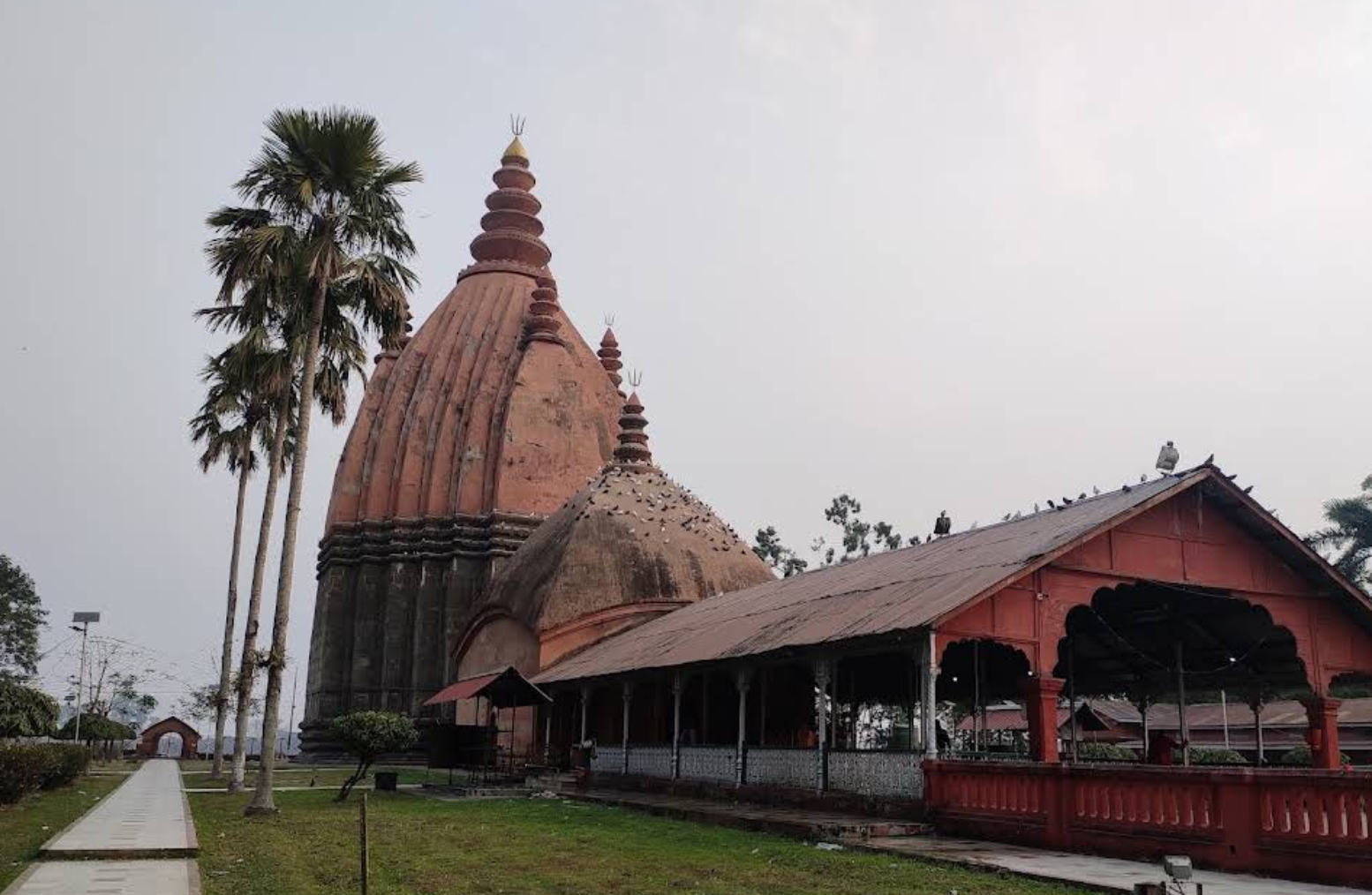
Maa Kamakhya
Maa Kamakhya Temple, Guwahati, Assam 781010
Kamrup Metropolitan, Assam, India · 781010
About Maa Kamakhya Temple
Description
Maa Kamakhya Temple is one of the most revered Shakti Peethas in India and a major pilgrimage destination for devotees of Goddess Shakti. Perched atop the scenic Nilachal Hill in Guwahati, Assam, the temple is dedicated to Goddess Kamakhya, who is worshipped as the embodiment of divine feminine energy, fertility, and creation. Unlike most Hindu temples, the sanctum does not house an idol of the Goddess. Instead, devotees worship a naturally formed yoni-shaped rock continuously fed by an underground spring, symbolizing the creative power of the Divine Mother. This unique form of worship makes Kamakhya Temple one of the most significant centres of Shakta and Tantric traditions in the world. Religious Significance Kamakhya Temple is regarded as one of the most sacred Shakti Peethas and is considered the spiritual heart of Tantric Shaktism. The temple is especially known for: One of the 51 revered Shakti Peethas Worship of the Divine Mother as the source of creation Sacred Tantric traditions Blessings for fertility, prosperity, spiritual growth, and family well-being The annual Ambubachi Mela, celebrating the creative power of nature and the Divine Feminine
History
Timings
Puja timings
- 5:30 AM — Ritual Bath (Snana)
- 8:00 AM — Temple opens for general darshan
- 7:30 PM — Evening Aarti
Disclaimer: We strive to provide accurate and up-to-date temple information based on reliable sources. However, temple timings, pooja schedules, festivals, and other visitor details are subject to change. Please verify the latest information with the official Maa Kamakhya Temple, Guwahati, Assam 781010 administration before planning your visit.
Highlights
One of the 51 sacred Shakti Peethas in Hinduism
Goddess worshipped as a naturally occurring sacred rock rather than an idol
One of the world's most important centres of Tantric Shaktism
Beautifully situated atop Nilachal Hill overlooking Guwahati
Famous for the annual Ambubachi Mela attracting pilgrims from across India
Unique Nilachal architectural style with a distinctive beehive-shaped dome
Home to shrines dedicated to all Ten Mahavidyas
Major pilgrimage destination for prosperity, fertility, and spiritual growth
Festivals
Ambubachi Mela
Durga Puja
Navratri
Manasha Puja
Vasanti Puja
Kumari Puja
Location & travel
Nearby railway station
Guwahati Railway Station (~8 km)
Nearby airport
Lokpriya Gopinath Bordoloi International Airport (~20 km)
Hotels & Ashram nearby
Hotels & Ashram nearbyNearby attractions
Kamakhya View Point
Maa Bagalamukhi Temple
Maa Dhumawati Mandir
Assam State Museum
Brahmaputra River Cruise Point
Pobitora Wildlife Sanctuary
Videos
Ravi On Trip - Kamakhya Devi
Distance between - Kamakhya Devi Complete Travel Guide-
Yatra Mitra - Kamakhya Devi Mandir
All video credits and ownership belong to the respective YouTube channel owner.
FAQ
- Who is the main deity of the temple?
- Maa Kamakhya (Goddess Shakti), worshipped in the form of a naturally formed sacred rock symbolizing creation and fertility. The complex also houses shrines to the Ten Mahavidyas and other deities including Lord Shiva and Lord Ganesha.
- Is there a dress code?
- Clean and modest clothing suitable for a place of worship. Traditional Indian attire is preferred.
- Are mobile phones allowed?
- Photography is generally allowed in the temple premises. Photography inside the sanctum is prohibited. Keep phones silent and respectful during darshan.
More to discover
Explore similar temples
Discover other temples with similar deities or nearby locations for your next darshan.